• Home
    • About Alison
    • Acupuncture
    • Herbs
    • Fertility
    • Dermatology
    • Facial Rejuvenation
  • Services
  • Contact
  • Shop
  • Blog
Menu

Aurum Acupuncture

80 East 11th Street
New York, NY, 10003
Phone Number
Alison Unterreiner Acupuncture

Your Custom Text Here

Aurum Acupuncture

  • Home
  • About
    • About Alison
    • Acupuncture
    • Herbs
    • Fertility
    • Dermatology
    • Facial Rejuvenation
  • Services
  • Contact
  • Shop
  • Blog

Chlorophyll, Chlorella, and the Importance of Blood

December 28, 2021 Alison Unterreiner
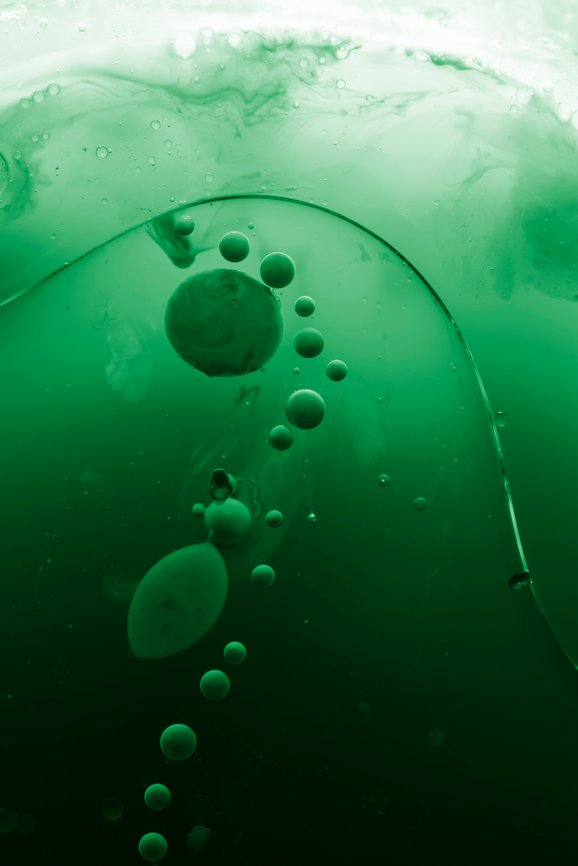
Chlorophyll, chlorella

Chlorophyll, Photo: Cosma Andrei/Stocksy

As daylight fades on 2021 and we move towards 2022, post-holiday hibernation is beginning.  The temperatures are finally getting cooler and my thoughts turn inward just as the season predicts. I look around and see the leaves have fallen from the trees and I’m reminded of a particularly potent pigment in mother nature: chlorophyll. 

“Chlorophyll is a photosynthetic pigment present in green plants that absorbs light energy and uses it to produce carbohydrates from carbon dioxide and water. Chlorophyll is crucial to the process of photosynthesis, which is responsible for sustaining the life process of green plants.” What I find so fascinating about chlorophyll is its similarity to another vital fluid: blood. 

As famous botanist Donald Peattie found in Tree: A Life Story, "Using spectrum analysis, [I] learned that the constituents of a chlorophyll molecule were eerily familiar. 'To me, a botanist's apprentice, a future naturalist,' he writes, 'there was just one fact to quicken the pulse. That fact is the close similarity between chlorophyll and hemoglobin, the essence of our blood.' This is no fanciful comparison, but a literal, scientific analogy: 'The one significant difference in the two structural formulas is this: that the hub of every hemoglobin molecule is one atom of iron, while in chlorophyll it is one atom of magnesium.' Just as chlorophyll is green because magnesium absorbs all but the green light spectrum, blood is red because iron absorbs all but the red. Chlorophyll is green blood."

What is the importance of this finding? Firstly, it leads us to the conclusion that plants are not as different from us as we may like to believe. Secondly, with such striking biological similarity, it is clear that we may use chlorophyll to nourish our own blood, because in Chinese Medicine (CM) we use “like to treat like”. 

I talk a lot about blood quality in session and the key difference between how CM views blood and how Western Medicine views it is, CM is more interested in the quality of blood rather than the quantity. If the quality is good, you will have enough quantity. Blood is categorized as connective tissue, therefore fresh, healthy, high quality blood is one of the vital fluids that keeps our bodies running and functioning optimally. 

That being said, I frequently recommend chlorella whenever a patient presents with any blood quality issues. Blood quality issues run the gamut and can be anything from pain to insomnia and everything in between. “Chlorella is a single-celled green algae found in bodies of freshwater and contains high concentrations of nutrients such as vitamin C, carotenoids, vitamin B complex and iron. The algae also contains a high amount of protein and can produce healthy oils high in polyunsaturated fats.” 

Why chlorella over chlorophyll? Though they are related, there are some key differences between chlorella and chlorophyll. Chlorella is a type of algae and chlorophyll is the substance plants use, along with sunlight, to make their own food. While straight chlorophyll is an excellent supplement, taking chlorella has added benefits such as:

  • Delivers a high amount of nutrients to the body: Chlorella is packed with good-for-you stuff like vitamins B12 and C, iron, fiber, protein, antioxidants, and fatty acids.

  • Helps the body process heavy metals and detox: One of chlorella's best-known benefits is that it's a great ingredient for helping rid your body of all the toxins that come from processed foods, the environment, and life in general which can disrupt our hormonal balance. It binds to heavy metals to assist with detox.

  • Provides protective benefits to the body: While studies are mixed, this edible algae may also help strengthen the immune system, as well as possibly lower cholesterol, blood pressure, and manage blood sugars.

  • Promotes weight loss:A 2008 study published in the Journal of Medicinal Food discovered that regular chlorella intake over a 16-week period resulted in a lower body fat percentage for the participants, along with lower cholesterol and blood glucose levels.

While supplements are not a cure-all, they are certainly part of the process of healing. Feel free to reach out directly with any questions and I look forward to seeing you in the clinic!

https://www.livestrong.com/article/470008-chlorella-vs-chlorophyll/

https://healthyeating.sfgate.com/chlorella-vs-chlorophyll-10702.html 

https://www.byrdie.com/chlorella-benefits

In Acupuncture, Chinese Herbal Medicine, Chinese Medicine, Healthcare Tags acupuncture, Chinese Medicine, Chlorophyll, Chlorella

Inflammation and How to Prevent it

September 19, 2021 Alison Unterreiner
Photo by Cottonbro

Photo by Cottonbro

Inflammation is a word that is frequently thrown around. But what is it really and how can you prevent it?

Read more
In Acupuncture, Chinese Herbal Medicine, Chinese Medicine, Healthcare, Self care Tags inflammation, Chinese Medicine, chinese herbal medicine, acupuncture, Pain

The (Long Overdue) Normalization of Menstruation

August 18, 2020 Alison Unterreiner
womenshealthacupuncture.jpg

The normalization of women's menstruation is long overdue. For centuries women’s cycles have been shrouded in mysticism and secrecy with the overarching belief being that during the time of the month when a woman bleeds, she is “impure” and must be kept out of the public eye. The menstrual rituals of different cultures run the gamut from the use of menstrual huts to “cleansing” baths once a woman ceases bleeding.

What this broad belief of “menstrual uncleanliness”  has done is create a culture around menstruation where bleeding is considered bad or unclean and therefore, as with most bad or unclean things, it does not get discussed; this lack of openness on the subject ensures serious and honest conversations about our cycles, including what is “normal”, do not occur. Too often, women believe that if their mother suffered from it (whatever “it” is…), then that is also their fate and if their mother did not, then they are just the unlucky one to have to deal with this problem now.

For this reason, so many women have no understanding about what a normal cycle is, what a period should feel like and further, what measures can be taken if they experience something pathological with their period. So having said that, I would like to shed some light on what a normal cycle is, what a normal period is and what can be done if you experience pain or discomfort. 

A normal cycle (with a cycle being defined as the first day of bleeding to the next first day of bleeding) can be anywhere from 26-35 days with the sweet spot really being 28-30 days. Some patients' cycles are slightly longer or shorter than this, and what I say regarding that is: if you are in good health and your cycle is regular, then that is what is normal for you, and what is normal for you is not pathological. A typical period from start to finish, will last anywhere from 3 to 6 days. Shorter or longer bleeding is atypical and would need to be explored further. As for pain with one's cycle, that is pathological, meaning it is not “normal” and not something that one must learn to just “power through” or “suffer with”. The same goes for pain with ovulation, or Mittelshmirz. Premenstrual syndrome is something many women struggle with, and is comprised of any number of uncomfortable symptoms, such as bloating, irritability, cramping and fatigue, experienced prior to a woman beginning her monthly bleed. There are many different reasons one might experience PMS or feel pain with their cycle or with ovulation, and in addition to speaking with a gynecologist, one can also seek out alternative remedies such as acupuncture and Chinese herbal medicine to help alleviate any unusual symptoms. The usual course of treatment for a gynecologist when a women comes in with these complaints is to put the woman on birth control, which comes with its own set of issues. I am all for women having ownership of their bodies, it is another thing for me when I see doctors covering up pathology with a pill that does nothing to address the root of the problem.

Consider how many women you know who have had painful or irregular cycles. Think about how many women you know who may have had trouble conceiving. And now think about how most of those women struggled through the pain and how the ones trying to conceive had to see a number of doctors to get pregnant, if they were lucky enough to get pregnant at all. Think about all the women out there that don’t talk about it at all. This is what a lack of conversation does, it breeds a paucity of education about ourselves. If education is power, then the mainstreaming of women’s health is imperative to our work towards equality in healthcare. 

A Case of Extreme Bloating: Before and After

July 26, 2020 Alison Unterreiner
IMG_4871.JPG IMG_4869.JPG

Another before/after transformation ✨😁✨
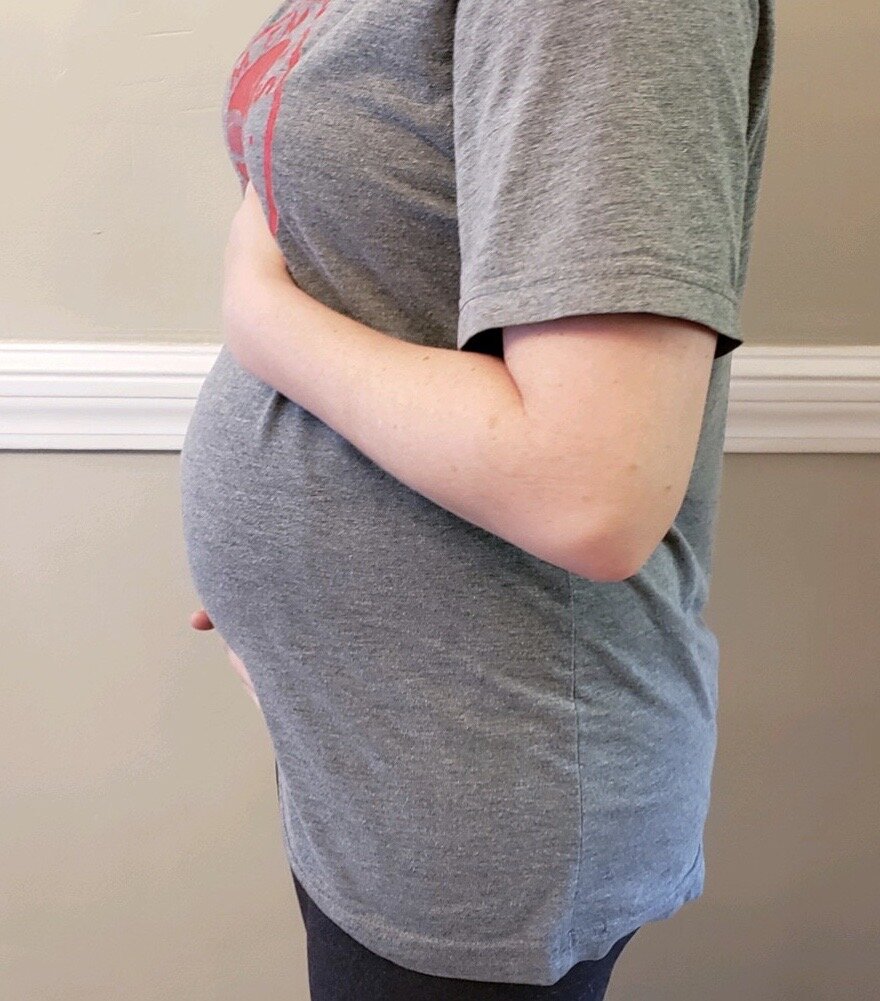
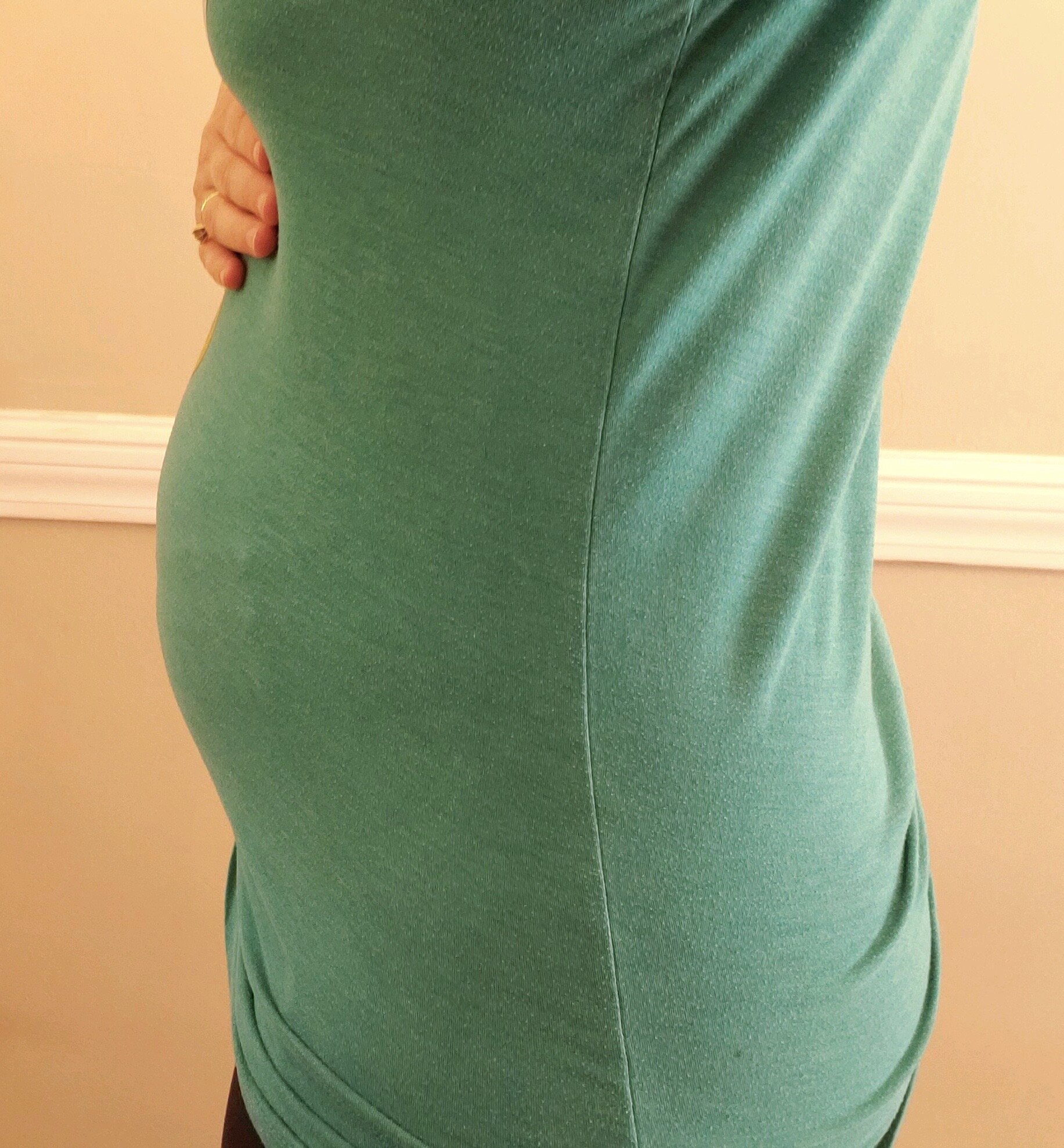
Patient came in with a chief complaint of extreme bloating (she is NOT pregnant). She had modified her diet on the advice of her dietician. Multiple functional tests reported nothing out of the ordinary. These cases are always the most frustrating for patients - they don’t feel good, but there is no pathological reason for it!
In her first treatment I opened her Dai Mai, the “girdling” channel, and worked on moving Qi of the Middle Jiao.
Next I prescribed a modified Fu Zi Li Zhong Wan for cold in the middle, to warm and move in an attempt to jumpstart movement in the middle.
The 1st pic is after her first treatment, where she said she already noticed a decrease in bloating. The 2nd pic is from today, after 6 days of herbs. Big difference!! There is still some bloating, but you can see her waist now and more importantly, she feels SO much better.
Next steps are to continue warming Yang and work on nourishing Spleen Qi so she can work on her next big project: getting pregnant. 

In Acupuncture, Chinese Herbal Medicine, Healthcare, Self care Tags before and after, transformation, bloating

What is Ear Acupuncture & How Does it Work?

July 23, 2020 Alison Unterreiner
Ear Acupuncture

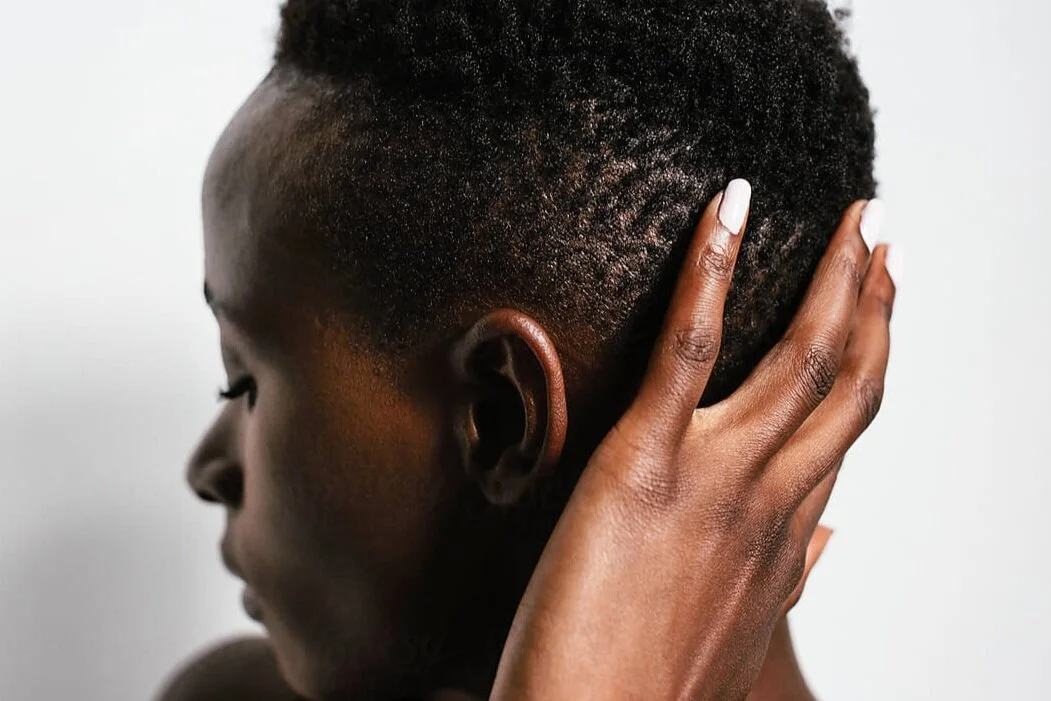
In the 1950s, Dr. Paul Nogier, coined as the “father of Auriculotherapy,” discovered that certain points in the ears correspond directly with specific parts of the body. The process of inserting hair thin needles into these specific points within the ear is called Auricular, or “ear,” acupuncture. Auricular is different from ‘regular,’ or body, acupuncture because it does not utilize the meridian system. Auricular utilizes points or areas within the ear to stimulate specific organs or to obtain certain results. It is similar to reflexology in that certain groups of cells gather in certain areas, like these specific points, and represent or dedicate themselves to specific parts, functions, and/or organs of the body. Therefore, “stimulation of a reflex point in the ear can relieve symptoms of distant pathology with a reliable duration,” (Gori & Firenzuoli, 2007). Signals created by ear acupuncture travel directly to the brain. The body then takes these signals as commands coming directly from the brain, thereby allowing ear acupuncture to take advantage of its own control center, the brain. 

Auricular acupuncture is used for a wide variety of reasons and is effective at treating a variety of physical, mental or emotional issues. It can be used alone or as an additional modality along with a typical acupuncture treatment. When used alone, the treatment is typically for pain or substance abuse and the aim is to get quick results with minimal time and energy. The most famous protocol to be administered alone is called the NADA protocol and is used to treat anxiety, addiction and for smoking cessation. When used along with body acupuncture, ear points help strengthen the treatment. Additionally, ear seeds (small seeds or magnets) are sometimes applied at the end of a treatment to further stimulate the points and help keep the effects of the acupuncture going between sessions. 

Overall, ear acupuncture (when administered properly by a licensed professional) can be as effective as body acupuncture at reducing pain, cravings, and easing anxiety. Many people enjoy the benefits as an extension of treatment, and as an added bonus many people love the way ear seeds look!


Works Cited:

Gori, L., & Firenzuoli, F. (2007). Ear Acupuncture in European Traditional Medicine. Evidence-Based Complementary and Alternative Medicine : eCAM, 4(Suppl 1), 13–16. http://doi.org/10.1093/ecam/nem106

In Chinese Medicine, Healthcare, Self care Tags acupuncture, Acupressure, Chinese Medicine
← Newer Posts Older Posts →

© 2017 AU LAc | Email: hello@aurumacupuncture.com | Phone: 646.760.9880 | 5190 Park Ave, Ste 100, memphis tn 38119