• Home
    • About Alison
    • Acupuncture
    • Herbs
    • Fertility
    • Dermatology
    • Facial Rejuvenation
  • Services
  • Contact
  • Shop
  • Blog
Menu

Aurum Acupuncture

80 East 11th Street
New York, NY, 10003
Phone Number
Alison Unterreiner Acupuncture

Your Custom Text Here

Aurum Acupuncture

  • Home
  • About
    • About Alison
    • Acupuncture
    • Herbs
    • Fertility
    • Dermatology
    • Facial Rejuvenation
  • Services
  • Contact
  • Shop
  • Blog

What the Tongue Tells us About Your Health.

July 14, 2020 Alison Unterreiner
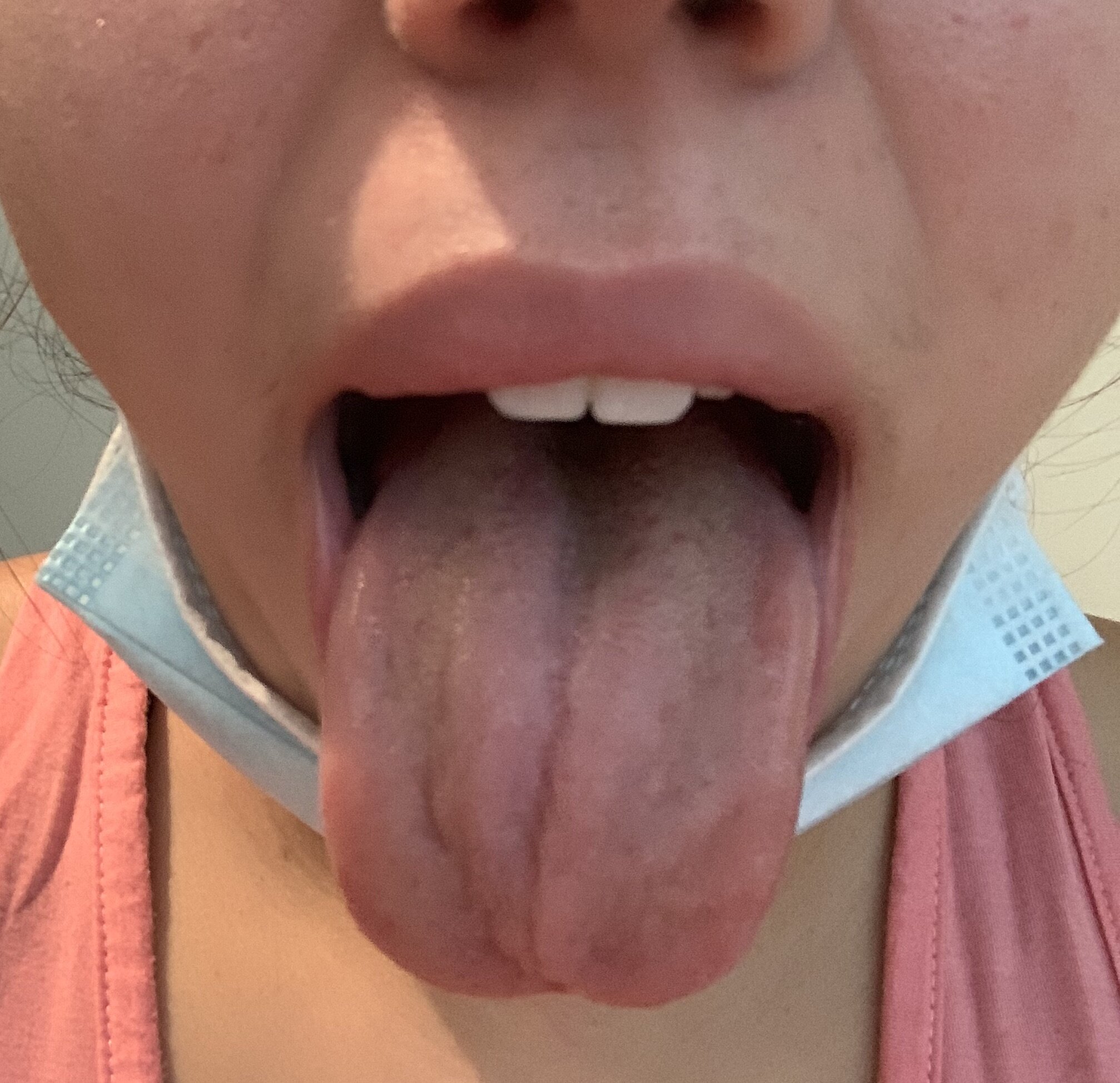
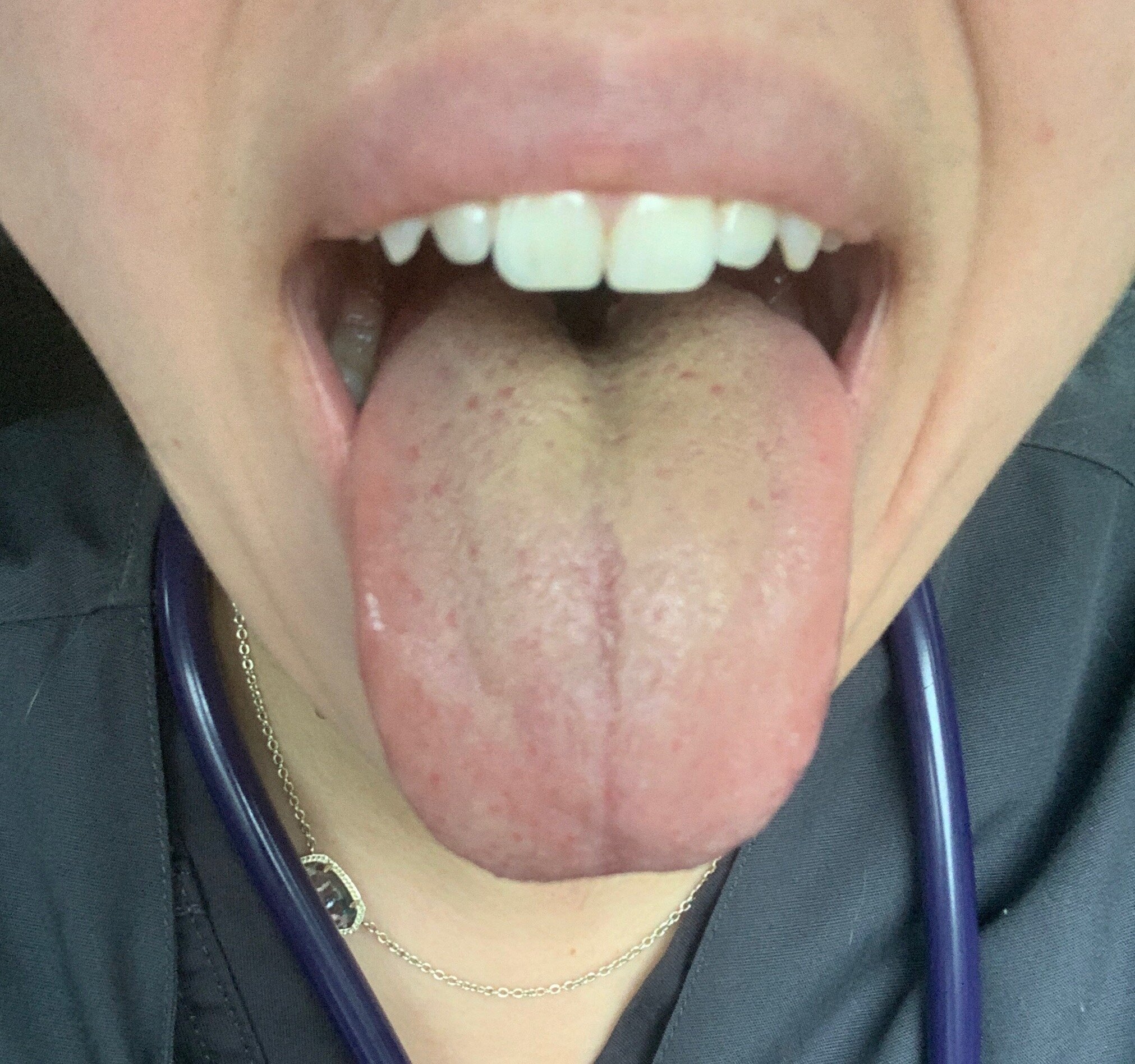
60934153254__E01555E0-31E1-405E-AB17-D7B6B1DBC8DD.jpeg IMG_1561.jpeg

Everyone wants to know why we look at tongues and what we’re looking for. 

Well here is a great example: 25yo F trying to conceive. She has PCOS and hypothyroid and has not had a natural period in over 10 years. From her tongue I can see that she has damp accumulation, particularly of the low jiao, there is heat accumulation as a result of the damp, some blood deficiency, and dysfunction of the digestive system which is hampering all of this.

The 2nd picture was taken about 2 months later, after a course of damp clearing, Spleen and Kidney tonifying herbs. Here we see a lot of damp has been cleared by the thinner tongue coat, the coat is no longer yellow so we can see we have cleared heat as well. The tongue is far less puffy, though we still see some puffy “rails” on the sides, so we see fluids are not accumulating as they had been. And overall color is pinker - though the lighting is different, the color has definitely changed as well.

I’m also happy to report that after 10+ years, she finally got a natural period!! 

Next steps are monitoring BBT to try and track if and when she is ovulating to time conception and further Kidney Yang tonification to support a healthy pregnancy!

In Chinese Herbal Medicine, Chinese Medicine, Healthcare Tags Chinese Medicine, chinese herbal medicine, PCOS
1 Comment

The Gut-Brain Connection

May 11, 2020 Alison Unterreiner
gutbrainconnection.jpg

Chinese Medicine has long held that there is a connection between what you feel and how you feel. Western medicine research is beginning to understand the relationship between our guts and our minds called the “Gut-Brain Axis.” Our gut and brain have a steady ability to communicate via the nervous system, hormones, and the immune system.  Such communication greatly affects how we feel physically as well as emotionally. 

The gastrointestinal (GI) tract, has it’s very own nervous system called the enteric nervous system (ENS) which governs the movement and regulation of the digestive system. “Scientists call the enteric nervous system the “little brain”. But it’s not so little. The ENS is two thin layers of more than 100 million nerve cells lining your gastrointestinal tract from esophagus to rectum…(and what’s more) researchers are finding evidence that irritation in the gastrointestinal system may send signals to the central nervous system (CNS) that trigger mood changes.” As a result of this strong relationship, what we put into our bodies becomes vital to our physical and emotional wellbeing. 

Hormonally and immunologically speaking, when we are under stress, our bodies react by releasing what are called “inflammatory cytokines.” These are little chemical messengers that bring our immune system into high alert. In a way, our body reacts to all stress as if it were an infection (and to chronic stress as if it were a chronic infection) by releasing these cytokines. How is the gut involved? It turns out that the gut flora plays an important role in regulating our immune response. “Your digestive tract is...where 80% of your immune system is located. Research is revealing links between an unhealthy gut and a wide range of medical problems, including obesity, allergies, asthma, and cancer. In fact, many researchers believe that diseases often stem from a communication breakdown between the gut and other parts of the body.” Additionally, growing evidence shows disruption of the microbiota in early infancy as a “critical determinant of disease expression in later life.” Therefore, the makeup of our gut microbiome can make the difference in whether we are sick or well.

What does this mean for you? It means that in terms of feeling well physically and emotionally, the quality of the food we consume is just as important as making time for a workout. 

When in doubt, here are 8 ways to a healthier and happier “second brain”:

1. Limit or stop your consumption of:

– Processed foods

– Refined sugars

– Alcohol

– Caffeine

– Grains

– Seed oils (these are high in omega-6 oils, which are pro-inflammatory)

2. Take antibiotics only when absolutely necessary; these play a major role in killing off healthy gut flora.

3. Avoid exposure to pollutants, pesticides, and other chemicals.

4. Eat coconut milk yogurt, coconut milk kefir, sauerkraut, refrigerated pickles, and kimchi. These are probiotic foods that supply your body with good bacteria.

5. Eat prebiotic foods such as jicama, onions, garlic, asparagus, leeks, bananas, chicory root, and Jerusalem artichokes. These supply the soluble fiber that your good gut bugs love to eat.

6. Take a powerful probiotic supplement such as lactobacillus acidophilus and bifidobacterium lactis to flood your system with good bacteria.

7. Manage your stress. Activities like yoga and meditation don’t just calm your mind; they help heal your “second brain” as well.

8. Drink bone broth every day. The gelatin and anti-inflammatory nutrients in bone broth soothe and heal your gut.

References:

http://www.hopkinsmedicine.org/health/healthy_aging/healthy_body/the-brain-gut-connection

https://www.drkellyann.com/blog/gut-brain-connection-your-second-brain

https://www.ncbi.nlm.nih.gov/pmc/articles/PMC3983973/

In Healthcare, Chinese Medicine Tags Chinese Medicine, acupuncture, Gut-Brain Axis

The Beautiful Order of Things

May 1, 2020 Alison Unterreiner
 

When things feel so out of control - as they have for some time now - I often turn to Chinese Medicine (CM)  to help make sense of things. CM has a rich history that relies heavily on philosophy and observation of the environment to help us understand the world around us, which in turn provides insight into our bodies on a deeper level. There’s even a proverb for this: as above, so below.

The Nei Jing, which informs all modern practitioners and has been around for over two millennia, is the seminal Chinese Medicine text. However, it is much more than a medical text, as Edward Neal, MD, MSOM states: “it is a manual on how the universe works.” So to discuss the Nei Jing is to understand it functions as a medical text by discerning patterns in the natural world and creating a language for those patterns. In doing so it seeks to help us better understand nature, the environment, and thereby ourselves. This explains why many discussions around Chinese Medicine involve environmental terms, such as “Damp”, “Wind”, “Hot”, and “Cold”. Chinese Medicine practitioners view the body as an extension of the world and its environment. 

Bearing this in mind, when I turn to CM for guidance during difficult times, I see the correlation between ourselves and the world at large; just as the universe expands and contracts, we inhale and exhale. The Nei Jing infers from this: if we consider the universe as taking a breath, when breath is moving outward, is when things are coming into being or generating. When breath is moving backwards, is when things are going back to their source to be regenerated - the generation/regeneration cycle or the life cycle. 

It’s interesting, then, that COVID-19 is a virus which affects the lungs primarily and affects our ability to take a full breath. That gasping for air is a signal we are in the regeneration period; the period of change and transformation. The Nei Jing demands of us to understand that you cannot have generation without regeneration. Make no mistake, nature seeks balance just as our bodies seek homeostasis and will do what is necessary to maintain that balance. What follows regeneration is a rebirth. 

This, then, is an entreaty to understand this basic principle of Chinese Medicine. If we are doing too much, producing too much, using too many of our resources, nature will invoke transformation and change. If we can think of something good coming out of this, it’s that we use this moment as a point of change. So what will you do with this moment? What will I? What changes are out there waiting for us?

(This post was inspired by a talk Dr. Edward Neal, MD, MSOM did in April 2020, titled, “The Neijing Perspective on Epidemic and Pandemic Diseases and the Current COVID-19 Situation”)

In Chinese Medicine, Acupuncture, Self care Tags Chinese Medicine

Acupuncture for Immunity: Health is Wealth

April 17, 2020 Alison Unterreiner
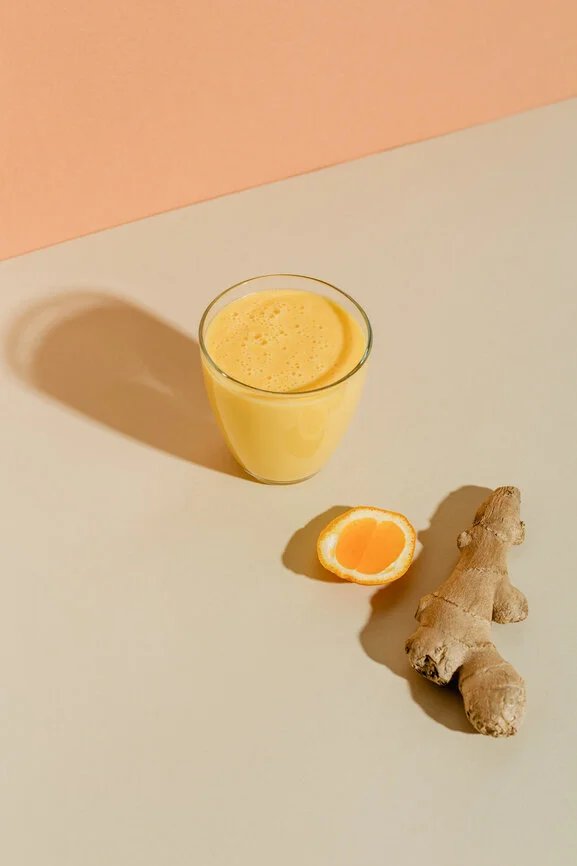
photo by: Tatjana Zlatkovic/Stocksy

photo by: Tatjana Zlatkovic/Stocksy

Every so often, I find there is a shift in the collective subconscious and suddenly everyone is talking about the same thing. With the global Coronavirus pandemic front and center in everyone’s minds these days, it seems that all anyone has been talking about is their health and immunity and what can be done to improve it. Questions like “How can I improve my health overall?” or “Are there any supplements I can take to help boost my immunity?”, have been cropping up again and again in my Telehealth sessions. Of course, the answer is different for everyone and will depend on if there are any underlying conditions and where your health and immunity are at today. 

That being said, let’s first understand what immunity is with some definitions: 

  • Immune System: a system of cells and organs designed to protect you against “foreign” invaders or “bad” bacteria

  • Immune Response: the chain reaction of events that occur when your immune system detects those foreign invaders

  • Immunity: the body’s overall ability to create immune responses to the appropriate things

Why is that important to know? Your general health and wellbeing relies on how well your immune system works in initiating the proper immune response. When we talk about immunity, we're typically referring to the response and how it may be affecting how you feel. Some people find that their immunity is poor because they either have over or under active immune responses. The reasons for this are plentiful (and too long to get into here!), but it should be noted that this atypical response can be the reason for a myriad of health issues ranging from allergic reactions and allergies to gut and intestinal problems. 

Two big factors that play a part in our immunity are lifestyle and diet. Getting some regular exercise, establishing healthy sleep habits, and maintaining a “clean” diet with few inflammatory foods and the right balance of macronutrients are all ways in which you can boost your immunity naturally by creating the right environments for our body to produce the correct response. In addition to those changes, things like reducing stress, consuming immune-supporting herbs, and spending quality time outdoors to soak up sun are also some manageable and simple ways to pump up your immunity this spring.

While it’s impossible for us to predict everything, we can certainly help with the stress reduction through acupuncture and immune-supporting herbs and supplements. Acupuncture has been proven to decrease leukocyte (white blood cell) values (Kou et al., 2005). What this tells us is that through the use of acupuncture, we can support a healthy and well-circulating immune system which supports appropriate immune responses. The research shows: acupuncture really works! 

The other benefit of acupuncture in the immune response is that it reduces stress, which has a huge effect on health. When you are stressed, your body enacts its most innate fight or flight response, which introduces cortisol and all sorts of stress response hormones into your body. Over time this will damage your body and put you in a chronic state of “flight” where secondary functions - such as digestion or reproduction - are thrown out of whack since they are not considered essential. 

Herbs are the pharmaceutical arm to Traditional Chinese Medicine (or TCM), and they allow us to accelerate the acupuncture response through careful selection of herbs and supplements. Some people are curious about what single herbs will help alleviate fatigue or ease allergies, but to that I say there is no “one size fits all” approach in TCM. It’s a matter of working with your body to create the proper formula. For most who need an immunity boost, that usually involves herbs like ginseng and astragalus which are good for reducing fatigue and increasing immunity.  

Supplements differ from Chinese Herbs in that they are single ingredient vital nutrients you should already be getting through nutrition, but may not be getting enough of in order to receive a therapeutic effect. The supplements I suggest to everyone looking for a little bit of an immunity boost are: A high quality multivitamin with minerals, 1000mg liposomal Vitamin C, 20mg Zinc, 500IU Vitamin D, Elderberry, and a probiotic to encourage optimal gut health. 

The key to using acupuncture for immunity is the knowledge that good health requires maintenance and upkeep, just like staying in shape. Using a three prong approach of diet, lifestyle, and stress reduction via acupuncture is an excellent course of treatment that has been proven to work. 

References:

Kou, W., Bell, J. D., Gareus, I., Pacheco-López, G., Goebel, M. U., Spahn, G., ... & Dobos, G. J. (2005). Repeated acupuncture treatment affects leukocyte circulation in healthy young male subjects: a randomized single-blind two-period crossover study. Brain, behavior, and immunity, 19(4), 318-324.
In Chinese Medicine, Acupuncture, Healthcare Tags Chinese Medicine, Acupuncture, Chinese Herbal Medicine

No sanitizer? No problem! Homemade Hand Sanitizer Recipe

April 10, 2020 Alison Unterreiner
homemade hand sanitizer_yingchih

It’s difficult to overstate the importance of hand washing right now: it’s the most effective way to stop the spread of germs and viruses, period. But in the event you don’t have access to running water (think: on your next big supermarket run), hand sanitizer is definitely effective in a pinch. Unfortunately, with so much in flux in the world, it's becoming nearly impossible to find any in stores. What’s a guy or gal to do? Well…make her own, of course! Below is a recipe for homemade sanitizer. Unfortunately there is really no such thing as “all natural” sanitizer, because the main ingredient for any disinfectant is usually alcohol, though there are a number the CDC recommends and you can find a list here, as well as a good explanation for the difference between cleaning and sanitizing.

But back to our recipe! The most important ingredient is alcohol and the percentage of alcohol counts. A bottle of 99% alcohol is best, but if you don’t have that on hand or can’t find any, you can also use 75% or 60%, though you will not be able to dilute those as much. Please know that the bottle of vodka you have laying around will not count, as the alcohol content, while strong enough to get you drunk, is not strong enough for proper sanitization. 

Ingredients:

  • Isopropyl alcohol (99-75% recommended)

  • Glycerol or glycerin (to keep alcohol from becoming too drying - if you can’t find any or don’t have any on hand, you can leave it out, but don’t forget to apply moisturizer after applying the sanitizer)

  • Hydrogen peroxide (used to inactivate any contamination in the solution)

  • Distilled water (or boil water and wait for it to cool down)

  • Essential oil of your choosing (for scent)

  • Spray bottle (this should be sterilized before being used)

Directions: mix 12oz of alcohol, 2 teaspoons of glycerol, 1 tablespoon of hydrogen peroxide, 3oz of water (less if you are using lower concentration alcohol - ¾ of your solution should be alcohol) and 1-2 drops of your favorite essential oil.

The World Health Organization (WHO) recommends allowing any mixture be left to sit for 72 hours to allow any spores present in the mixture or bottles to be destroyed. 

Recommendations for essential oils are: Tea tree oil for its antimicrobial ability or Thieves oil for its immunity boosting power. Clove and eucalyptus are in the Thieves oil blend, so they can be used alone or together if you can’t find Thieves oil.

In Acupuncture, Chinese Herbal Medicine, Chinese Medicine, Healthcare, Self care Tags acupuncture, chinese medicine, chinese herbal medicine
← Newer Posts Older Posts →

© 2017 AU LAc | Email: hello@aurumacupuncture.com | Phone: 646.760.9880 | 5190 Park Ave, Ste 100, memphis tn 38119