• Home
    • About Alison
    • Acupuncture
    • Herbs
    • Fertility
    • Dermatology
    • Facial Rejuvenation
  • Services
  • Contact
  • Shop
  • Blog
Menu

Aurum Acupuncture

80 East 11th Street
New York, NY, 10003
Phone Number
Alison Unterreiner Acupuncture

Your Custom Text Here

Aurum Acupuncture

  • Home
  • About
    • About Alison
    • Acupuncture
    • Herbs
    • Fertility
    • Dermatology
    • Facial Rejuvenation
  • Services
  • Contact
  • Shop
  • Blog

The Problem With PCOS and How Acupuncture Can Help

November 9, 2024 Alison Unterreiner

Photo by Karolina Grabowska/Pexels

Polycystic ovarian syndrome, or PCOS, affects between 8% to 20% of reproductive-age women worldwide. PCOS is a hormonal disorder which has numerous symptoms, many of which can seem unrelated. Typically, health care providers will look for these common characteristics in a potential PCOS patient: 

  • Absence of ovulation

  • Cysts on the ovaries

  • Excess androgens

A PCOS diagnosis is not always definitive, but rather health care providers typically look for a grouping of several PCOS related symptoms in order to determine the diagnosis. Additional symptoms can include: irregular menstruation, infertility, excess hair growth, persistent acne, and/or stubborn weight gain particularly around the middle. Unfortunately, “researchers know that genetic and environmental factors contribute to the development of polycystic ovary syndrome (PCOS), but do not know exactly what causes PCOS”.

The problem with PCOS is that since the diagnosis is not always definitive (meaning the diagnosis is based off a number of symptoms a patient has rather than through any diagnostic test result) and “it is a multifaceted disorder affecting endocrine, nervous and cardiovascular systems and has many metabolic repercussions and clinical repercussions” with the causes of PCOS remaining unknown, patients who have PCOS are are left to manage the symptoms of PCOS as opposed to addressing whatever the root cause is. This leads to a lot of symptom chasing and frustration on the patient’s part. Many times, the solution from the Western doctor is to put a woman on birth control to “regulate” her cycle - which is not regulating anything because birth control, unless it is the copper IUD, cuts off communication between the brain and the ovaries or to utilize IVF to get a patient pregnant.

Often patients arrive at the acupuncturist’s office with a long list of complaints as a result of their diagnosis, with very little real help being offered by their Western health care provider. The biggest complaint is that of irregular menstruation and anovulation (lack of ovulation) leading to amenorrhea and infertility problems. Women often speak about having a history of irregular periods, with or without ovulation, and are now trying to get pregnant without success. 

Luckily for them, acupuncture has demonstrated efficacy in treating not only the symptoms of PCOS, but also in treating the fertility problems women with PCOS face. In a study published in the American Journal of Physiology Endocrinology and Metabolism in March 2013, it was shown that “repeated acupuncture treatments with manual and electrical stimulation in lean/overweight women with PCOS results in a higher ovulation frequency during the treatment period than in the control group.” Additionally, circulating levels of a variety of hormones (including estrone, estrone sulphate, estradiol, DHEA and testosterone) were found to have decreased significantly more in the acupuncture group compared to the control group. 

The efficacy of the acupuncture in PCOS cases can be contributed to a number of things, but the primary take away is that acupuncture has a profound effect on the central nervous system, and in turn on the endocrine system. Helping to regulate hormones naturally, helps to regulate the hypothalamic-pituitary axis which is vital to a well functioning female reproductive system. Acupuncture is a relatively side-effect free way of regulating these hormones, as well as promoting proper blood circulation in the female reproductive organs through its effect on the central nervous system. 

The takeaway here is that anyone seeking help for PCOS fertility issues - or any other PCOS related concerns - should feel confident seeking out an acupuncturist to help with these issues. Acupuncture is painless, effective, and relatively side effect free, which I know we can all get behind! If you or anyone you know is looking for help with PCOS related issues, feel free to give us a call at 646-760-9880 or email us at hello@aurumacupuncture.com to learn more about the benefits of acupuncture or to book an appointment! 
In Acupuncture, Chinese Medicine, Healthcare Tags TCM, PCOS, Women's health

Chlorophyll, Chlorella, and the Importance of Blood

December 28, 2021 Alison Unterreiner
Chlorophyll, chlorella

Chlorophyll, Photo: Cosma Andrei/Stocksy

As daylight fades on 2021 and we move towards 2022, post-holiday hibernation is beginning.  The temperatures are finally getting cooler and my thoughts turn inward just as the season predicts. I look around and see the leaves have fallen from the trees and I’m reminded of a particularly potent pigment in mother nature: chlorophyll. 

“Chlorophyll is a photosynthetic pigment present in green plants that absorbs light energy and uses it to produce carbohydrates from carbon dioxide and water. Chlorophyll is crucial to the process of photosynthesis, which is responsible for sustaining the life process of green plants.” What I find so fascinating about chlorophyll is its similarity to another vital fluid: blood. 

As famous botanist Donald Peattie found in Tree: A Life Story, "Using spectrum analysis, [I] learned that the constituents of a chlorophyll molecule were eerily familiar. 'To me, a botanist's apprentice, a future naturalist,' he writes, 'there was just one fact to quicken the pulse. That fact is the close similarity between chlorophyll and hemoglobin, the essence of our blood.' This is no fanciful comparison, but a literal, scientific analogy: 'The one significant difference in the two structural formulas is this: that the hub of every hemoglobin molecule is one atom of iron, while in chlorophyll it is one atom of magnesium.' Just as chlorophyll is green because magnesium absorbs all but the green light spectrum, blood is red because iron absorbs all but the red. Chlorophyll is green blood."

What is the importance of this finding? Firstly, it leads us to the conclusion that plants are not as different from us as we may like to believe. Secondly, with such striking biological similarity, it is clear that we may use chlorophyll to nourish our own blood, because in Chinese Medicine (CM) we use “like to treat like”. 

I talk a lot about blood quality in session and the key difference between how CM views blood and how Western Medicine views it is, CM is more interested in the quality of blood rather than the quantity. If the quality is good, you will have enough quantity. Blood is categorized as connective tissue, therefore fresh, healthy, high quality blood is one of the vital fluids that keeps our bodies running and functioning optimally. 

That being said, I frequently recommend chlorella whenever a patient presents with any blood quality issues. Blood quality issues run the gamut and can be anything from pain to insomnia and everything in between. “Chlorella is a single-celled green algae found in bodies of freshwater and contains high concentrations of nutrients such as vitamin C, carotenoids, vitamin B complex and iron. The algae also contains a high amount of protein and can produce healthy oils high in polyunsaturated fats.” 

Why chlorella over chlorophyll? Though they are related, there are some key differences between chlorella and chlorophyll. Chlorella is a type of algae and chlorophyll is the substance plants use, along with sunlight, to make their own food. While straight chlorophyll is an excellent supplement, taking chlorella has added benefits such as:

  • Delivers a high amount of nutrients to the body: Chlorella is packed with good-for-you stuff like vitamins B12 and C, iron, fiber, protein, antioxidants, and fatty acids.

  • Helps the body process heavy metals and detox: One of chlorella's best-known benefits is that it's a great ingredient for helping rid your body of all the toxins that come from processed foods, the environment, and life in general which can disrupt our hormonal balance. It binds to heavy metals to assist with detox.

  • Provides protective benefits to the body: While studies are mixed, this edible algae may also help strengthen the immune system, as well as possibly lower cholesterol, blood pressure, and manage blood sugars.

  • Promotes weight loss:A 2008 study published in the Journal of Medicinal Food discovered that regular chlorella intake over a 16-week period resulted in a lower body fat percentage for the participants, along with lower cholesterol and blood glucose levels.

While supplements are not a cure-all, they are certainly part of the process of healing. Feel free to reach out directly with any questions and I look forward to seeing you in the clinic!

https://www.livestrong.com/article/470008-chlorella-vs-chlorophyll/

https://healthyeating.sfgate.com/chlorella-vs-chlorophyll-10702.html 

https://www.byrdie.com/chlorella-benefits

In Acupuncture, Chinese Herbal Medicine, Chinese Medicine, Healthcare Tags acupuncture, Chinese Medicine, Chlorophyll, Chlorella

Inflammation and How to Prevent it

September 19, 2021 Alison Unterreiner
Photo by Cottonbro

Photo by Cottonbro

Inflammation is a word that is frequently thrown around. But what is it really and how can you prevent it?

Read more
In Acupuncture, Chinese Herbal Medicine, Chinese Medicine, Healthcare, Self care Tags inflammation, Chinese Medicine, chinese herbal medicine, acupuncture, Pain

What is Ear Acupuncture & How Does it Work?

July 23, 2020 Alison Unterreiner
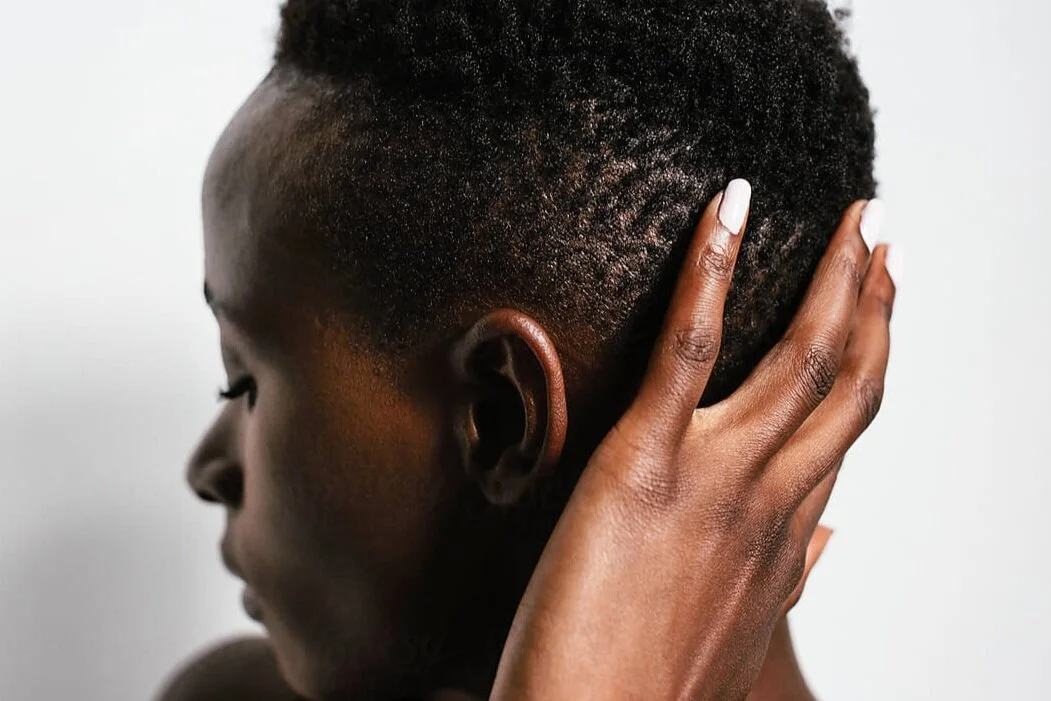
Ear Acupuncture

In the 1950s, Dr. Paul Nogier, coined as the “father of Auriculotherapy,” discovered that certain points in the ears correspond directly with specific parts of the body. The process of inserting hair thin needles into these specific points within the ear is called Auricular, or “ear,” acupuncture. Auricular is different from ‘regular,’ or body, acupuncture because it does not utilize the meridian system. Auricular utilizes points or areas within the ear to stimulate specific organs or to obtain certain results. It is similar to reflexology in that certain groups of cells gather in certain areas, like these specific points, and represent or dedicate themselves to specific parts, functions, and/or organs of the body. Therefore, “stimulation of a reflex point in the ear can relieve symptoms of distant pathology with a reliable duration,” (Gori & Firenzuoli, 2007). Signals created by ear acupuncture travel directly to the brain. The body then takes these signals as commands coming directly from the brain, thereby allowing ear acupuncture to take advantage of its own control center, the brain. 

Auricular acupuncture is used for a wide variety of reasons and is effective at treating a variety of physical, mental or emotional issues. It can be used alone or as an additional modality along with a typical acupuncture treatment. When used alone, the treatment is typically for pain or substance abuse and the aim is to get quick results with minimal time and energy. The most famous protocol to be administered alone is called the NADA protocol and is used to treat anxiety, addiction and for smoking cessation. When used along with body acupuncture, ear points help strengthen the treatment. Additionally, ear seeds (small seeds or magnets) are sometimes applied at the end of a treatment to further stimulate the points and help keep the effects of the acupuncture going between sessions. 

Overall, ear acupuncture (when administered properly by a licensed professional) can be as effective as body acupuncture at reducing pain, cravings, and easing anxiety. Many people enjoy the benefits as an extension of treatment, and as an added bonus many people love the way ear seeds look!


Works Cited:

Gori, L., & Firenzuoli, F. (2007). Ear Acupuncture in European Traditional Medicine. Evidence-Based Complementary and Alternative Medicine : eCAM, 4(Suppl 1), 13–16. http://doi.org/10.1093/ecam/nem106

In Chinese Medicine, Healthcare, Self care Tags acupuncture, Acupressure, Chinese Medicine

What the Tongue Tells us About Your Health.

July 14, 2020 Alison Unterreiner
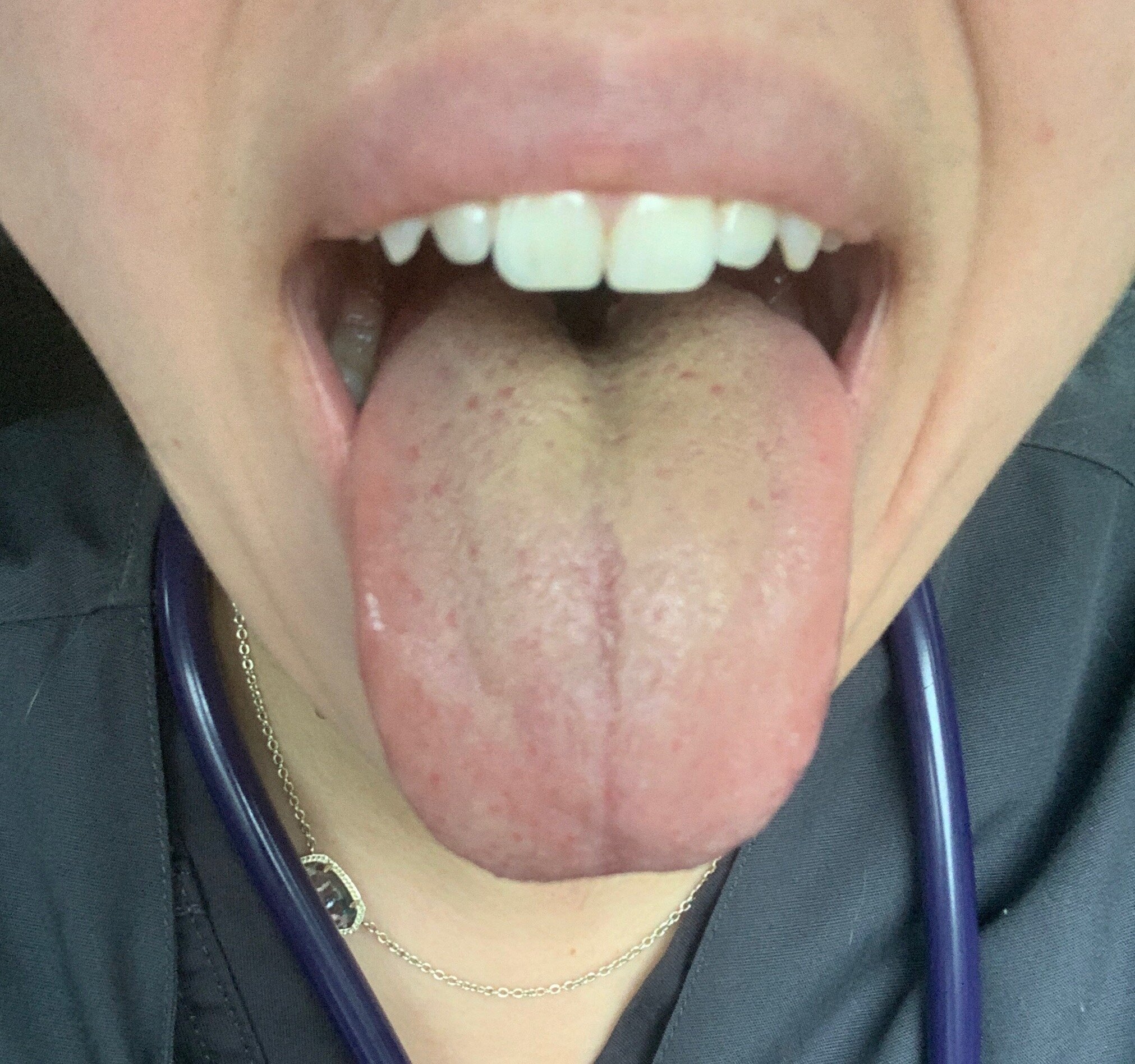
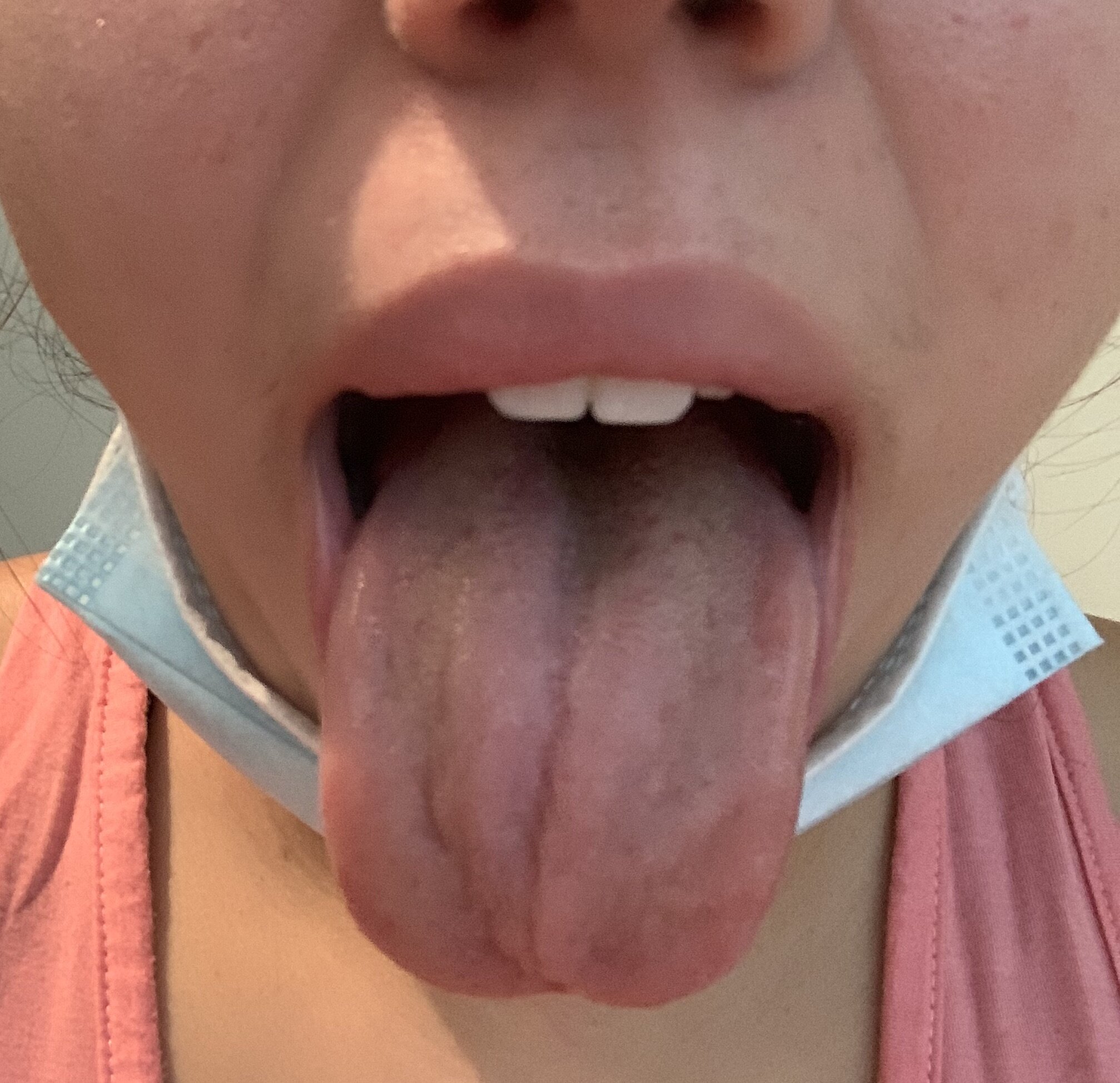
60934153254__E01555E0-31E1-405E-AB17-D7B6B1DBC8DD.jpeg IMG_1561.jpeg

Everyone wants to know why we look at tongues and what we’re looking for. 

Well here is a great example: 25yo F trying to conceive. She has PCOS and hypothyroid and has not had a natural period in over 10 years. From her tongue I can see that she has damp accumulation, particularly of the low jiao, there is heat accumulation as a result of the damp, some blood deficiency, and dysfunction of the digestive system which is hampering all of this.

The 2nd picture was taken about 2 months later, after a course of damp clearing, Spleen and Kidney tonifying herbs. Here we see a lot of damp has been cleared by the thinner tongue coat, the coat is no longer yellow so we can see we have cleared heat as well. The tongue is far less puffy, though we still see some puffy “rails” on the sides, so we see fluids are not accumulating as they had been. And overall color is pinker - though the lighting is different, the color has definitely changed as well.

I’m also happy to report that after 10+ years, she finally got a natural period!! 

Next steps are monitoring BBT to try and track if and when she is ovulating to time conception and further Kidney Yang tonification to support a healthy pregnancy!

In Chinese Herbal Medicine, Chinese Medicine, Healthcare Tags Chinese Medicine, chinese herbal medicine, PCOS
1 Comment
← Newer Posts Older Posts →

© 2017 AU LAc | Email: hello@aurumacupuncture.com | Phone: 646.760.9880 | 5190 Park Ave, Ste 100, memphis tn 38119